Kilimanjaro Training Plan
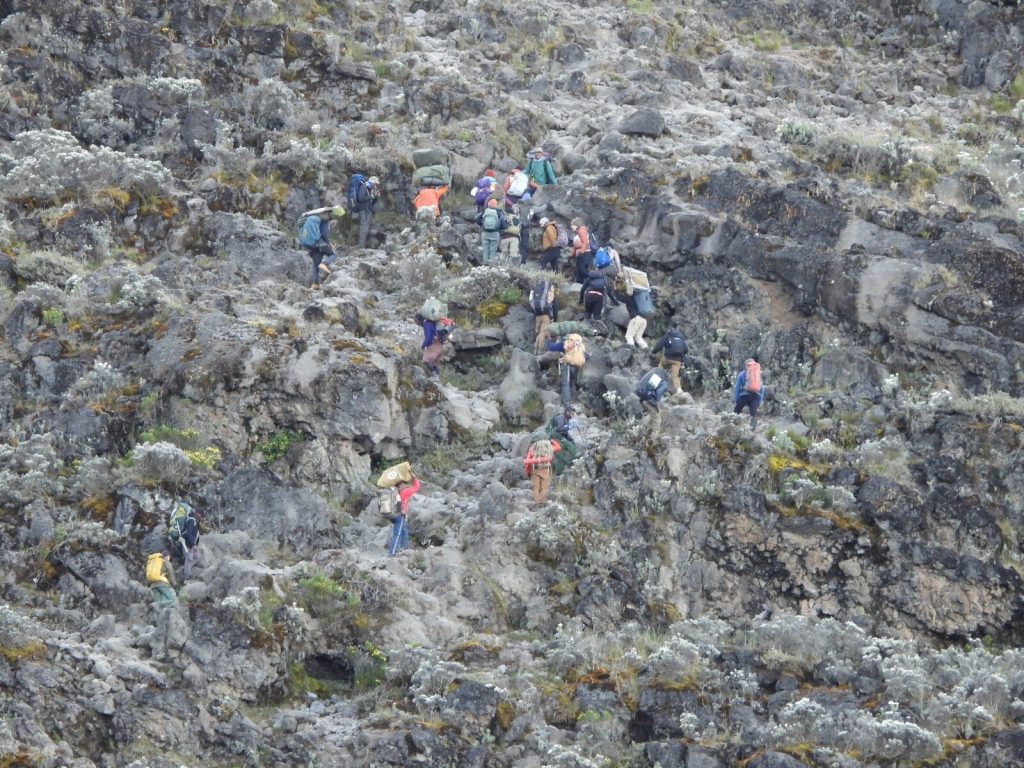
A Kilimanjaro training plan should run eight to twelve weeks and focus on time on your feet rather than intensity, building towards comfortable five to eight hour walks on uneven ground on consecutive days. No technical climbing skill is required. Hiking in the boots and daypack you will use on the mountain is the most useful preparation available. Kilimanjaro reaches 5,895 metres in northern Tanzania.
What a Kilimanjaro Training Plan Needs to Build
Preparation for a Kilimanjaro trek is narrower than most people assume. You are not training for a race or a technical climb. You are training to walk four to seven hours a day for a week, on rough ground, at a deliberately slow pace, while sleeping badly. That is the true shape of what makes the climb hard, and it is not the shape of a fitness test.
That points at four things. Endurance across consecutive days, which is different from being able to do one hard day. Leg and core strength, mostly to protect your knees on a long descent. Cardiovascular capacity, which helps you recover between days. And familiarity with your own gear, so nothing on the mountain is new.
What a plan cannot build is tolerance for altitude. Nothing you do at home changes how your body responds above 4,000 metres, which is why itinerary length matters more than training. Booking eight days rather than five will do more for your chances than any programme.
Check with your doctor before starting a new training programme, particularly if this is a substantial change from your current routine or you have any existing condition. That conversation is also the right moment to ask about acetazolamide for the trek itself.
How Long Before Your Trek to Start Training
Eight weeks is the common minimum and twelve is better, particularly if you are starting from a low base. Some operators suggest beginning focused work sixty to ninety days out, increasing the load between fifteen and sixty days out, then easing off for the final fortnight.
If you have four months, use them, but do not train hard for all of it. Long slow build ups beat short intense ones for this kind of trip, and injury in week ten is a far worse outcome than being slightly undertrained.
If you have only four or six weeks, you can still make a real difference. Walking as often and as far as you can, in your boots, is where the value sits. Plenty of people have prepared adequately in a month of consistent hill walking, and first timers with no hiking background do it every season.
Weeks One to Four of a Kilimanjaro Training Plan
The opening block is about building a base without breaking anything.
Aim for three or four sessions a week. Two of those can be straightforward cardio: brisk walking, jogging, cycling or a rowing machine, thirty to forty five minutes at an effort where you can still hold a conversation. Add one strength session working legs, glutes, core and back.
The important session is the weekend walk. Start at whatever is comfortable, perhaps two hours on the flattest ground you can find, and add twenty or thirty minutes each week. Wear your boots from the first walk. If you have hills, use them; if not, stairs, bridges and multi storey car parks do more than people expect.
By the end of week four you want to be walking three hours without much thought about it.
Weeks Five to Eight of a Kilimanjaro Training Plan
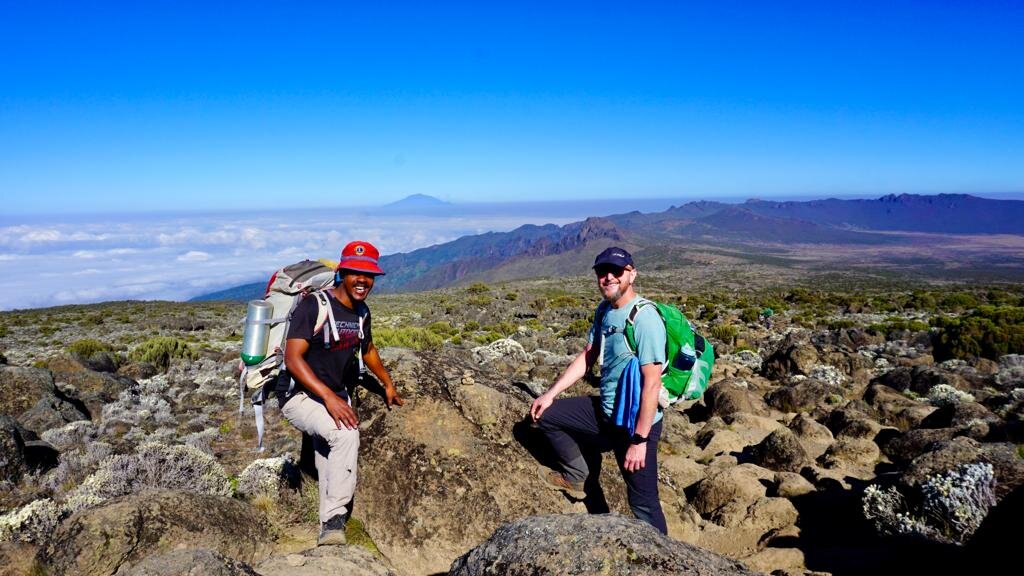
The middle block is where hiking endurance gets built, and it is the part that matters most.
Keep the cardio sessions and lengthen them towards forty five or sixty minutes. Keep one or two strength sessions, adding load gradually rather than reaching for heavier weights every week. Add hill repeats or stair work once a week if your terrain allows, since sustained ascent is what your legs will actually do on the mountain.
Push the long walk towards four, five and then six hours, carrying your daypack with the weight you expect to carry: water, snacks, rain gear and a warm layer, which usually comes to five or six kilograms. Walk in weather you would normally avoid, because you will be walking in it on Kilimanjaro.
Somewhere in this block, do a walk long enough that you get bored and tired and finish anyway. That experience is worth more than the fitness it builds.
Weeks Nine to Twelve and the Taper
The final block consolidates and then backs off.
Weeks nine and ten are your biggest: a long walk of six or seven hours, ideally with real ascent, and if you can manage it, a back to back weekend of two long days. Keep the cardio and reduce the strength work slightly so your legs are fresh for the walks.
Week eleven eases down. Week twelve is a genuine taper: shorter walks, light cardio, nothing heavy, and stop the walking programme entirely three or four days before you fly. Arriving rested is worth more than arriving marginally fitter, and nobody has ever summited on the back of a hard session the week before departure.
Resist the urge to cram. The last fortnight cannot add fitness and can easily add an injury or a cold.
Guides notice who trained by walking and who trained in a gym. It shows up on day four, when the legs that only know machines start to complain about the fifth consecutive afternoon on uneven rock.
Strength Work for a Kilimanjaro Climb
Two purposes only: getting up hills and surviving the descent.
The descent is the underrated one. After the summit you drop from 5,895 metres to around 3,100 in a single afternoon, mostly on scree, and quadriceps and knees take all of it. Trekkers who have never had knee trouble sometimes find this the most painful part of the week.
Useful movements are the obvious ones: squats, lunges, step ups onto a bench, calf raises, and anything that loads the legs while you control the lowering phase, since that eccentric work is what descending demands. Add core work, planks and side planks, to support a loaded pack. Two sessions a week is plenty and bodyweight is enough; no gym is required.
Do not neglect ankles. Uneven rock rolls them, and a few weeks of balance work on one leg costs nothing.
Back to Back Hiking Days and Why They Matter
One long walk tells you whether you can do a long walk. Two in a row tells you whether you can do a Kilimanjaro trek.
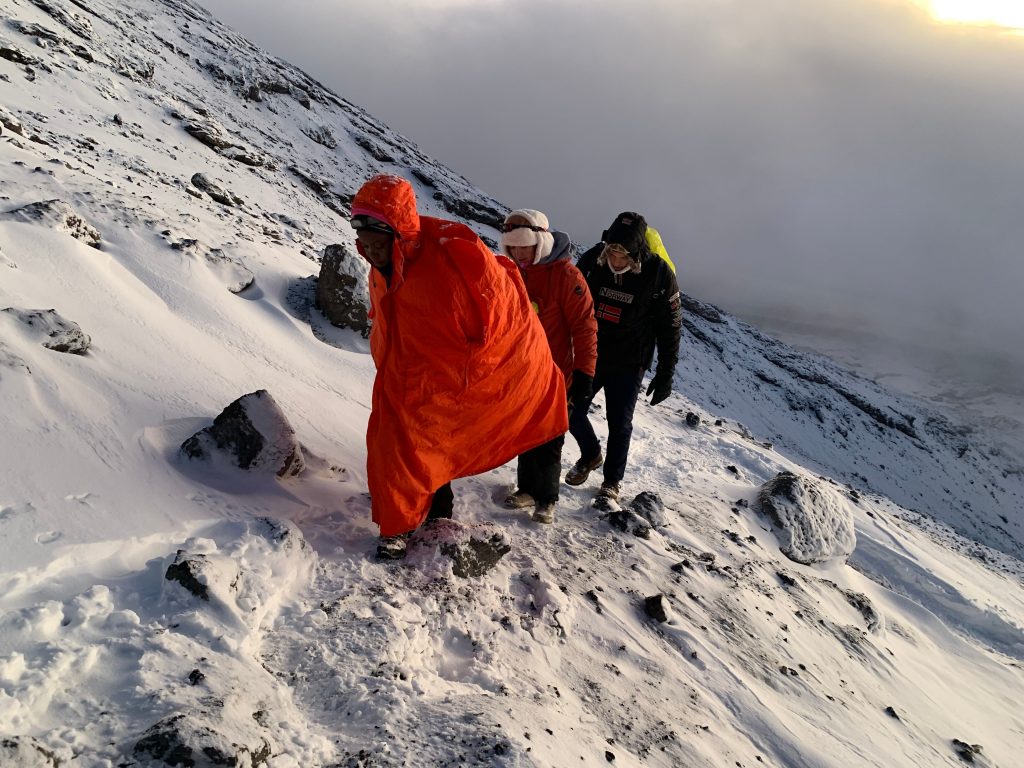
The mountain asks for consecutive days with imperfect sleep and a body that has not fully recovered. If you can only ever manage one big day, you will discover the difference on day three or four, which is a poor place to find out.
Build in at least two back to back weekends across your plan: four or five hours on the Saturday and four or five again on the Sunday, in boots, with the pack. It is not glamorous training and it is the most predictive session available. If you can camp overnight between the two days, better still, since sleeping poorly and then walking is precisely the skill required.
Training with Your Boots and Daypack
Boots first, because this is where preventable trips get ruined. Buy them early and put fifty or more kilometres through them before you fly. Which boots to buy, and in what size, is worth settling before the plan even starts. New boots on Kilimanjaro produce blisters on day two, and there is nothing to be done about it at 4,000 metres except keep walking.
Wear the socks you will climb in while you break the boots in, since the combination matters as much as either part. Test your sock layering and learn where your feet rub.
The daypack should be the one you take, loaded to the weight you will carry. Adjust the hip belt properly and find out now whether it sits badly on your shoulders. Walk with your trekking poles too, since using poles well is a skill and summit night is not the moment to learn it.
Test rain gear in actual rain. A shell that leaks at home will leak on the mountain, and you will be in it for hours.
Altitude Preparation Before Your Kilimanjaro Trek
This is where the honest limits of training sit. You cannot meaningfully simulate 5,895 metres at sea level, and altitude sickness does not track fitness, age or sex.
What genuinely helps is real time at altitude shortly beforehand. Three or four days on nearby Mount Meru at 4,562 metres is the most useful preparation available in the region, and many operators sell it combined with a Kilimanjaro trek. Any high hiking in the months before your climb gives you useful information about how your own body responds.
Altitude tents and hypoxic training chambers exist and some athletes report benefits. For an ordinary trekker they are expensive, awkward and far less valuable than adding two nights to the itinerary.
Talk to your doctor about acetazolamide, sold as Diamox, which speeds up your body’s own adjustment. Wilderness medical guidance commonly suggests starting it the day before ascent, and side effects can include tingling fingers and more frequent trips out of the tent at night.
What a Training Plan Cannot Do for You
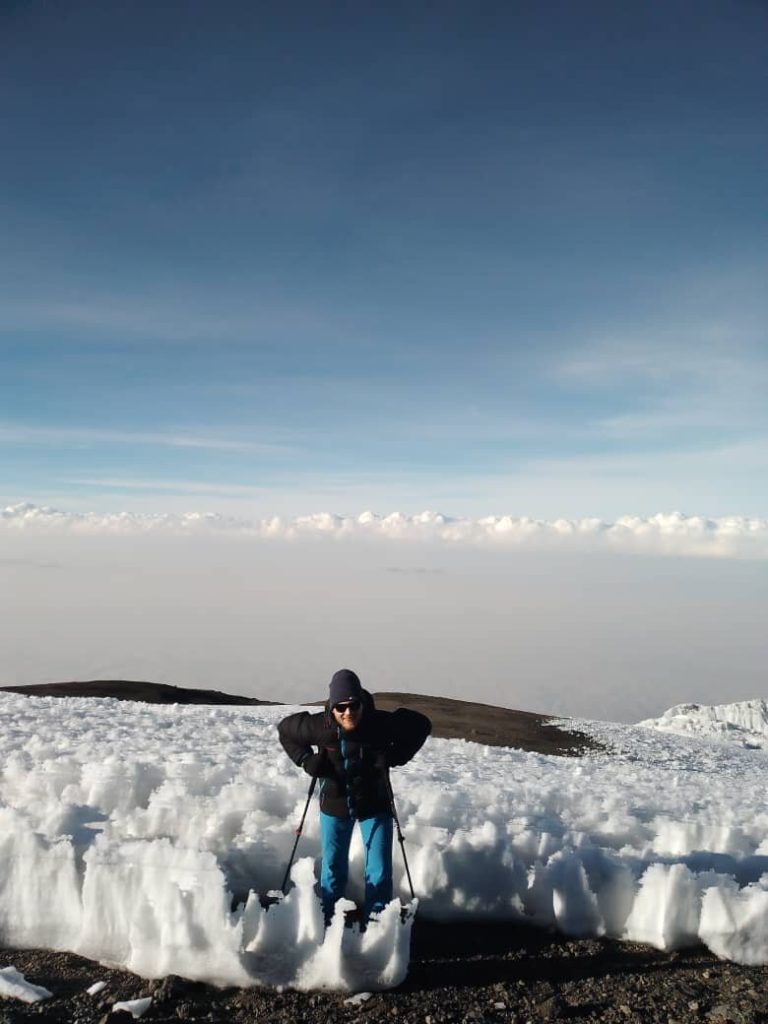
It cannot protect you from altitude sickness. It cannot compensate for a five day itinerary, and it cannot make a steep trail safe: the Umbwe ridge gains roughly 2,300 metres in two days, and no amount of hill repeats changes what that does to an unacclimatised body. It cannot substitute for walking slowly on the mountain, and there is a real risk that arriving very fit encourages exactly the fast pace that provokes trouble.
Guides repeat pole pole for a reason. The trekkers who arrive last into camp are frequently the ones standing on Uhuru Peak, and a fit walker who insists on their natural speed is a familiar type in the turnaround statistics.
So train, because it makes the week enjoyable rather than gruelling and it protects your knees on the way down. Then book enough days, hydrate, eat when you have no appetite, and let your guide set the pace.
Frequently Asked Questions About Kilimanjaro Training
How long should I train before climbing Kilimanjaro?
Eight to twelve weeks for most people, starting focused work sixty to ninety days before departure and tapering in the final fortnight. Four to six weeks of consistent hill walking still makes a real difference if that is what you have. Stop the walking programme three or four days before you fly so you arrive rested.
Do I need a gym membership to train for Kilimanjaro?
No. Walking is the core of any plan and bodyweight strength work covers the rest. Squats, lunges, step ups, calf raises, planks and some balance work on one leg are enough, done twice a week at home. A gym is convenient rather than necessary, and hills or stairs beat machines for this purpose.
Will being very fit guarantee I reach the summit?
No, and this catches people out. Altitude sickness is the leading reason climbers turn back and it does not correlate with fitness, age or sex. Marathon runners get turned around and moderately fit walkers reach the top. Fitness helps with endurance and recovery; itinerary length, pacing and hydration determine whether you acclimatise.
How much weight should I carry while training?
The weight of your actual daypack on the mountain, usually five or six kilograms with water, snacks, rain gear and a warm layer. There is no need to train with your full duffel, since porters carry that and it is capped at 15 kilograms including your sleeping bag. Training with much more weight than you will carry adds injury risk without benefit.
Is climbing Mount Meru first worth the cost?
For many climbers, yes. A three or four day Mount Meru trek to 4,562 metres typically adds $600 to $1,000 per person and gives you real time at altitude a few days before Kilimanjaro, which is the most effective pre acclimatisation available in the region. It also tells you how your body responds before you commit to the bigger mountain. Weigh it against simply booking a longer Kilimanjaro itinerary, which costs roughly $200 to $400 per extra day.
What should I do in the last week before I fly?
Very little. Light walks, gentle cardio, no heavy sessions, and nothing new. Finish breaking in your boots earlier than this. Check your gear against the packing list, confirm what you are renting in Moshi, and arrive at least a day before your briefing so a delayed bag is an inconvenience rather than a crisis.
Booking Your Kilimanjaro Trip
The safari companies and tour operators listed on this website put trips like this together for a living and know which camps, guides and routes actually deliver. We are an independent guide to Kilimanjaro; we do not book or sell tours ourselves.
When you are ready, arrange your safari, tour or holiday with one of the recognised operators listed here. Tell them your dates and what matters most, and a real person, not a form, will handle the itinerary, park bookings and logistics for you.