About Kilimanjaro Safaris

This site is an independent guide to climbing Mount Kilimanjaro, written to answer the questions travellers actually ask before they go. It is reference material rather than a shop window. We are not a booking agent: we do not sell climbs, take bookings, hold deposits or issue permits, and nothing on these pages is a pitch for a particular company.
Why an Independent Guide
Kilimanjaro is unusual among the world’s high mountains. Almost everyone who walks up it arrives with no previous experience of altitude, and almost everyone buys a package from a company they found on the internet a few months earlier. That puts a great deal of weight on the planning stage, and most of the material available at that stage is written by the people selling the trek.
A summit percentage on an operator’s home page is a marketing figure. The number of nights you will sleep above 3,000 metres is not. The purpose of this site is to set out the second kind of information: what the mountain asks of you, what the park charges, how the routes differ in altitude profile rather than in adjectives, and which decisions genuinely change your chances of standing on the crater rim.
What Is Covered
The guides fall into a few groups. Route material explains where each trail starts, how it gains its height and where it meets the crater rim; the overview of what a climb actually involves is the sensible place to begin if the mountain is new to you. Timing material covers the two dry windows and what the wet months mean underfoot, so you can judge which months suit the dates you have before committing to a departure.
Money is treated the same way. Park charges are fixed, published and non-negotiable; crew wages are not, and the gap between two quotes for the same route usually has a specific explanation. The breakdown of where the money in a quote goes exists so that you can read a price rather than simply compare two of them, and the page on what an all-inclusive trek covers and leaves out shows which lines should already be in the total.
Alongside those sit the practical pages: training in the eight to twelve weeks beforehand, boots and the two-bag packing system, altitude and acclimatisation, what summit night is like hour by hour, and the day-by-day shape of each itinerary on the mountain.
How the Guides Are Researched
Every guide is built from primary sources: national park regulations and published tariffs, operator itineraries, porter welfare standards and the summit figures reported for each route and duration. Where a number is known it is given, in metres, days, percentages or ranges in US dollars. Where the honest answer is a range rather than a figure, it is written as a range. Where sources disagree, that is said plainly rather than smoothed over.
Figures move. Park fees are revised, tariffs are quoted both with and without Tanzania’s value added tax, and operators reprice each season. Guides are reviewed regularly, but confirm current rates with the park authority or your operator before you pay for anything. Nothing here replaces the briefing your guide gives you at the trailhead, or a conversation with your own doctor about altitude and any medication you take.
How to Use the Site
Read in roughly this order and the planning tends to fall into place. Decide how many days you can give the mountain, then choose a route that fits that number, then pick a month, then compare operators, and only then start on gear. Booking too few days is the most expensive mistake available here, and it is usually the first one made. If you want the short version of all of it, the answers to the questions that come up most often cover the same ground in a few minutes.
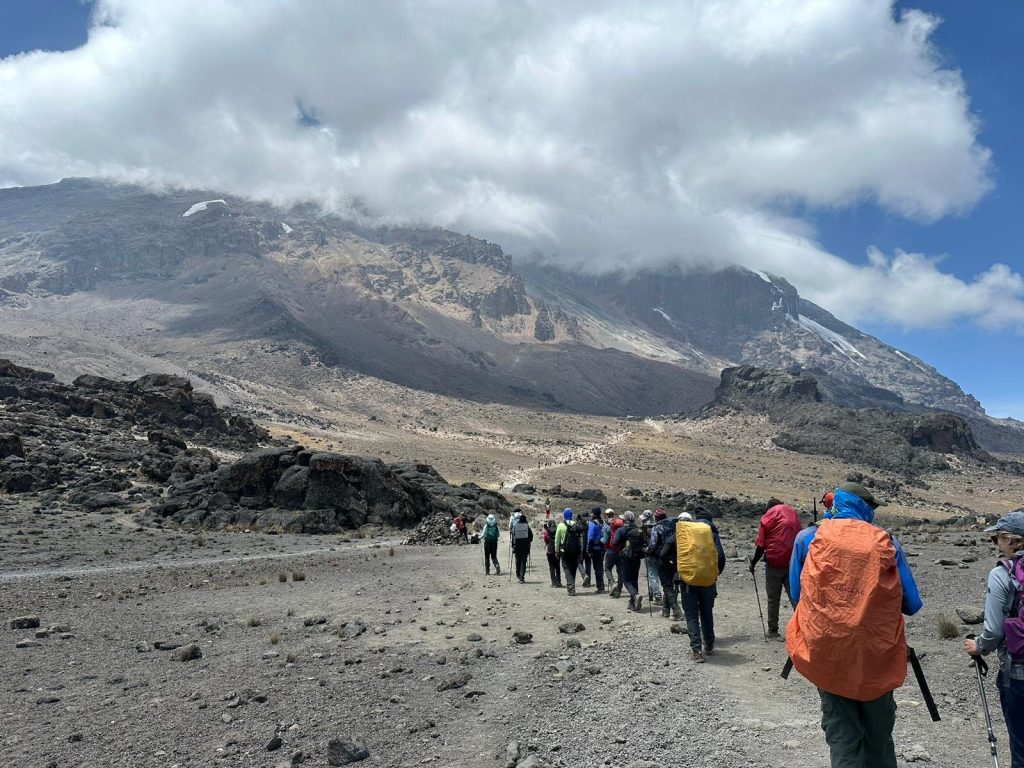
When you are ready to travel, arrange the climb with a licensed Tanzanian operator. Independent trekking inside the national park is not permitted, so a registered company and a licensed guide are a legal requirement rather than an upsell. The page explaining what this site can and cannot help with covers how to approach that stage, what belongs in a first enquiry, and what to ask before you part with a deposit.